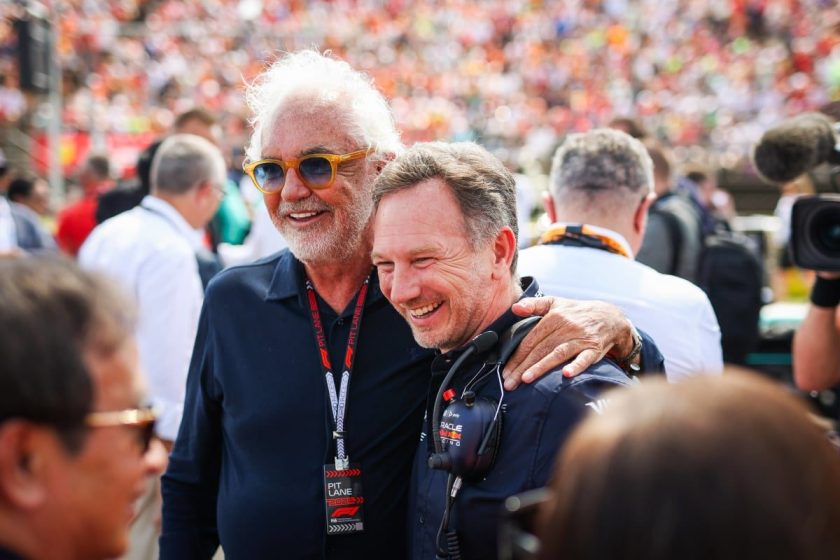
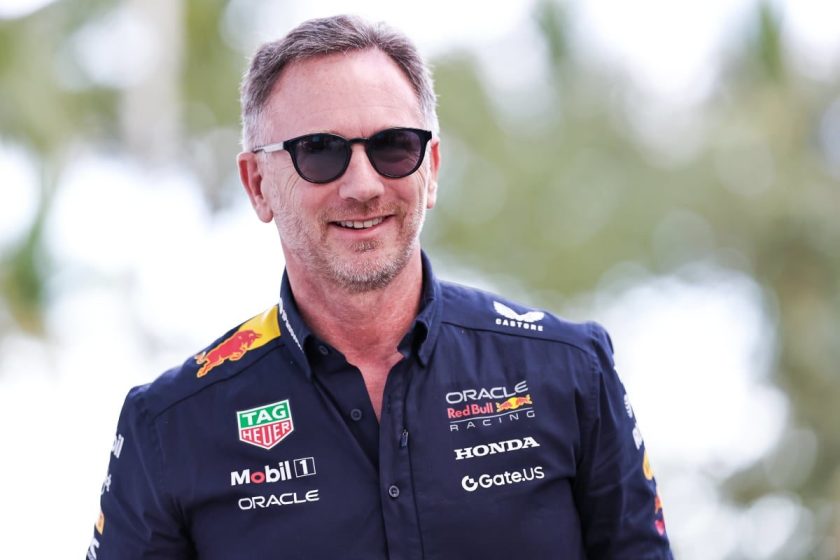
Christian Horner’s recent sacking from Red Bull Racing after two decades at the helm highlights the increasing influence of football culture in Formula 1, where performance in the latest game, or race, is crucial. Despite Horner’s impressive track record, internal conflicts and inconsistent on-track results led to his premature departure in 2021, emphasizing the shift towards corporate ownership and professional management in F1 teams.
The era of team owners like Enzo Ferrari, Colin Chapman, and Frank Williams has given way to teams becoming extensions of larger corporations, with hundreds of staff on their payrolls. Toto Wolff stands out as an exception with his stake in Mercedes GP, as most team principals are now part of traditional reporting structures within big companies.
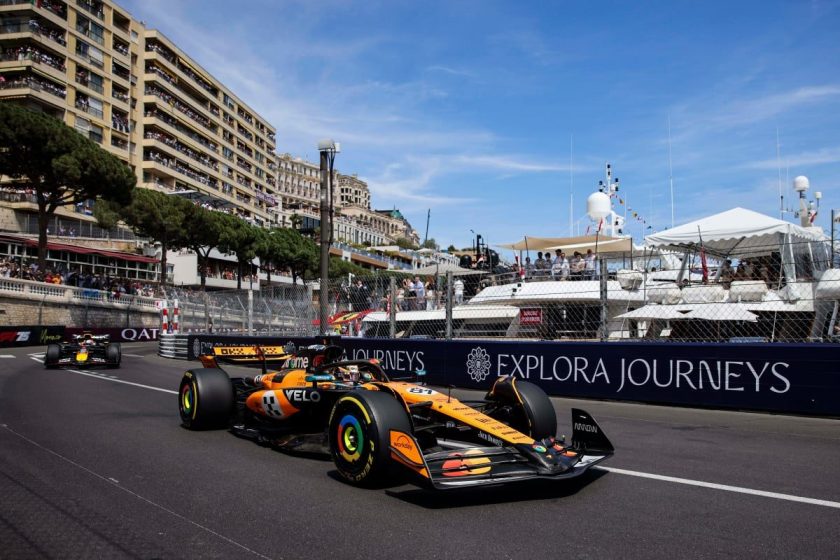
The history of McLaren and Red Bull Racing reveals similarities in leadership dynamics, with both teams experiencing periods of dominance under strong-willed leaders like Ron Dennis, only to face internal power struggles and management changes during times of underperformance. This evolution in team ownership and management reflects the broader trend of professionalization and corporate influence in modern Formula 1.